Cozy Fairy-Light & Ivy Corner Ideas for Small Bedrooms
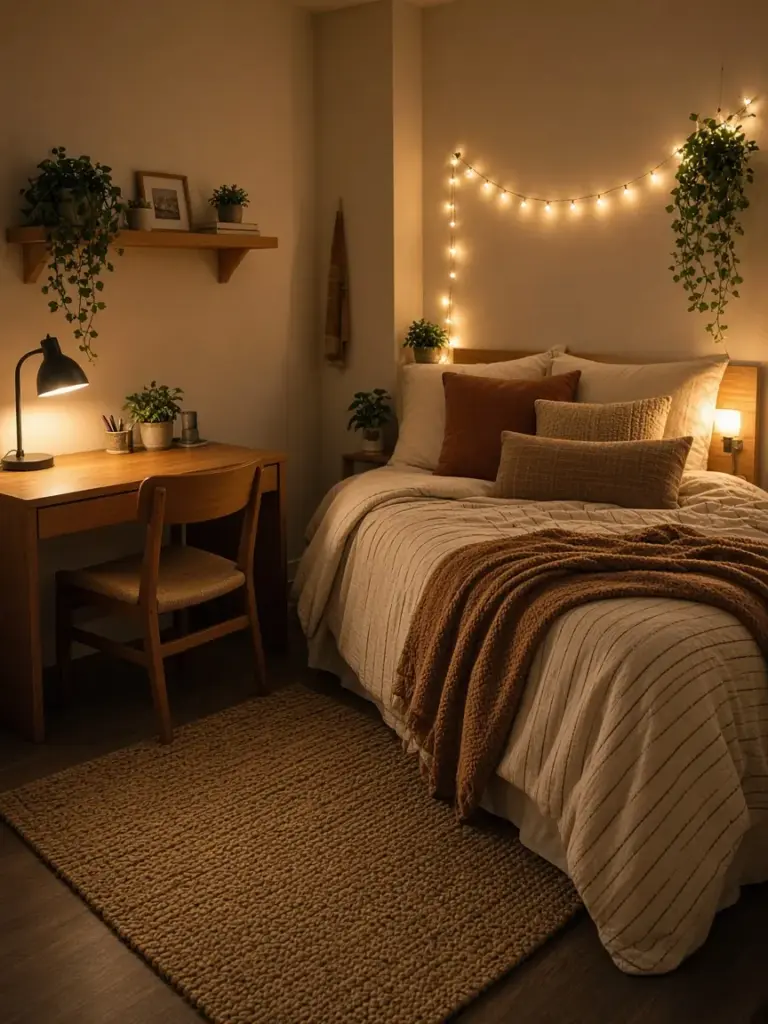
Disclosure: This post contains affiliate links. As an Amazon Associate I earn from qualifying purchases, at no extra cost to you. We only link to pieces that fit the look; prices and availability change, so check the retailer for current details. Photos are styled illustrations of the look, not the exact listed products. Full disclosure.
A cozy corner is less about square footage and more about light, texture and something green. If your bedroom or studio feels flat after dark, a few strands of warm fairy lights and a trail of ivy can change the mood in an evening, without drilling a single hole.
Below are the ideas we keep coming back to for small rooms, the pieces that create each look, and the styling details that make the difference between “dorm room” and “cozy nook”.
Why fairy lights and ivy work in small rooms
Overhead lights flatten a small room: they throw light straight down, show every corner and make walls feel closer. Low, warm, scattered light does the opposite. It leaves the edges of the room soft and pulls attention to one glowing spot, which reads as cozy rather than cramped.
Greenery adds the second layer. Trailing ivy breaks up hard lines like door frames, curtain rods and shelf edges, so the eye travels upward. Together, light and leaves give you a focal point that costs very little and comes down without a trace when you move.
Get the look: 5 pieces
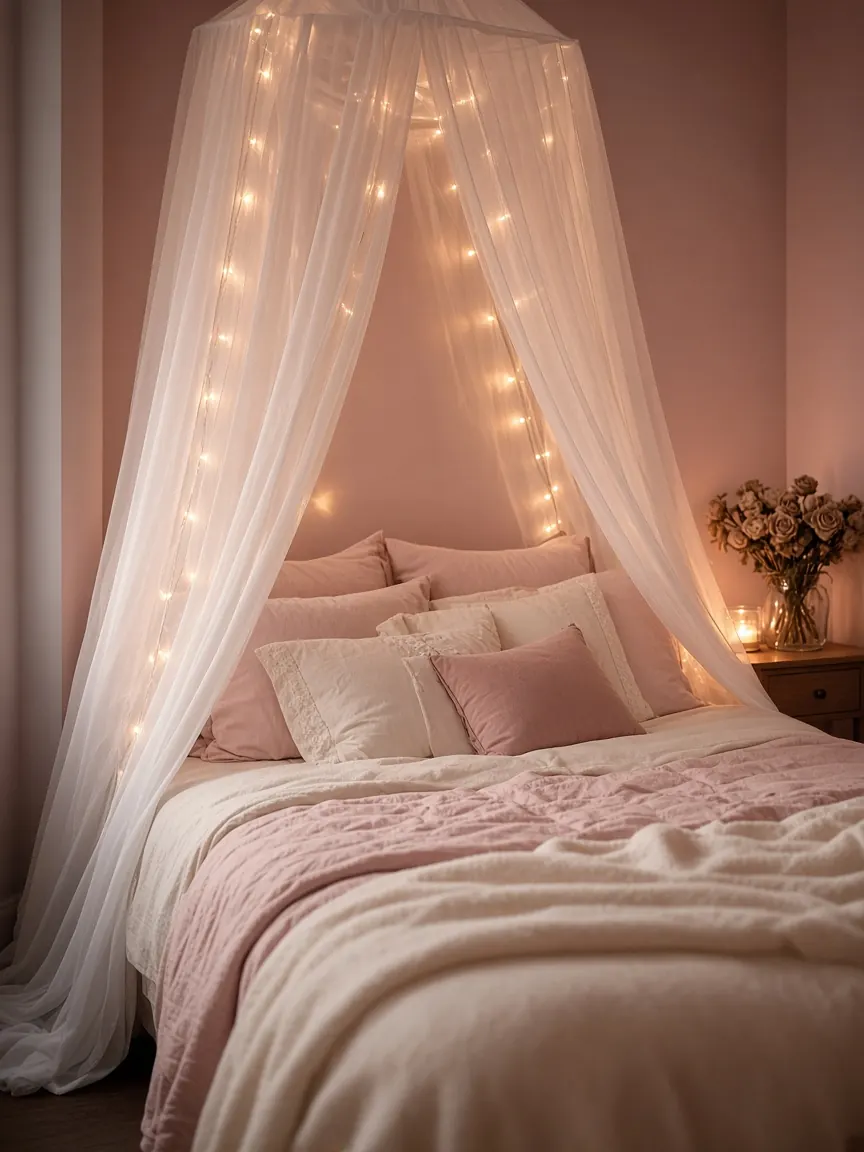
Warm-white curtain fairy lights
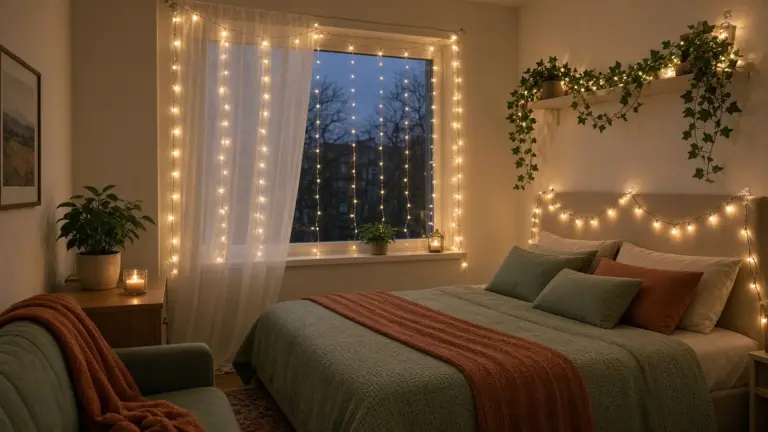
A curtain of hanging strands gives you a glowing backdrop in one go: behind a bed, inside a sheer canopy or across a window. Look for a warm-white color (around 2700K) rather than cool white, which can feel clinical.
Why we picked it: One curtain strand covers a whole wall evenly, which is hard to fake with several single strands. It hangs from a few hooks along the top edge, so it suits renters, and the warm-white versions give the soft, candle-like glow that makes the look work in photos and in person.
Good for: a headboard wall or a window you want to soften at night.
Check price on Amazon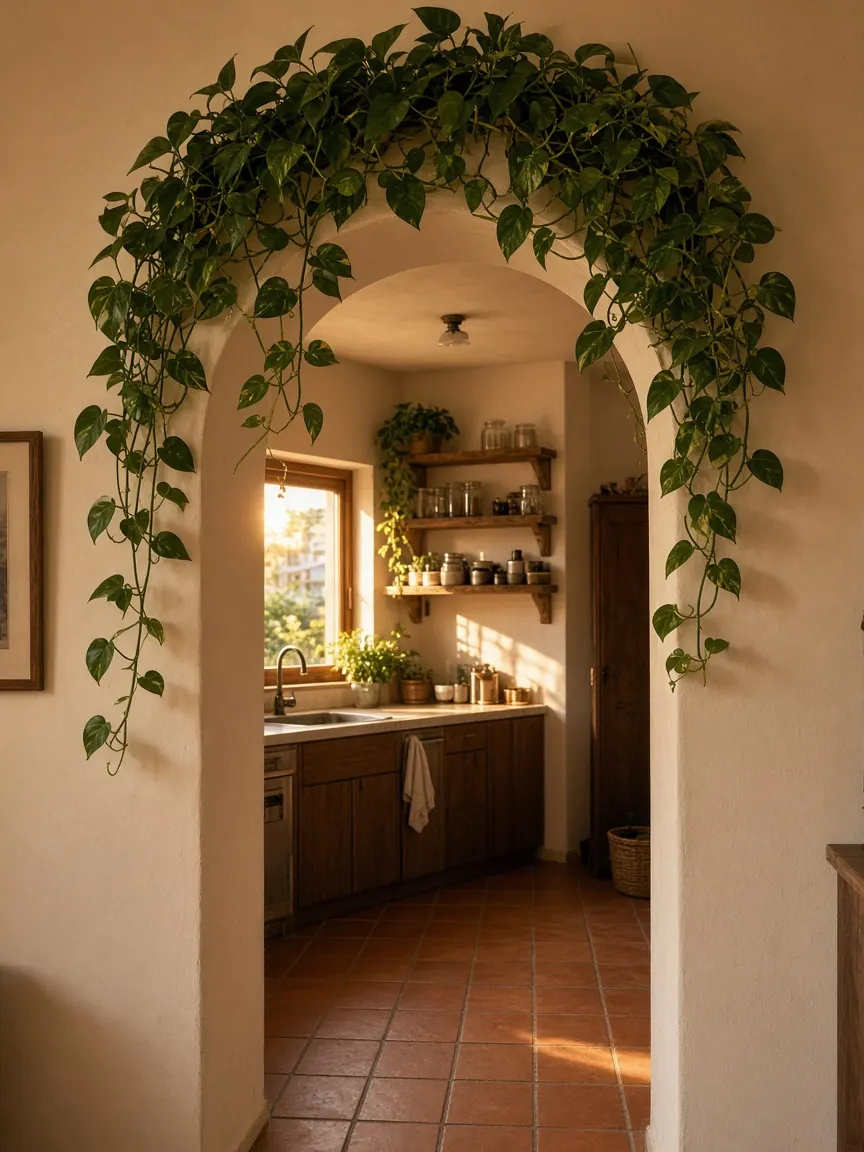
Artificial ivy garland
Long strands of faux ivy let you frame a doorway, trace a curtain rod or wind through fairy lights. Separate the strands and drape them at different lengths so it looks grown, not stapled on.
Why we picked it: Faux ivy is the cheapest way to add the green half of this look, and it survives dark corners, dry radiators and weeks of forgetting to water. Strands are light enough for adhesive hooks and flexible enough to wrap around a light cord to hide it.
Good for: framing an arch, mirror or shelf edge without real-plant upkeep.
Check price on Amazon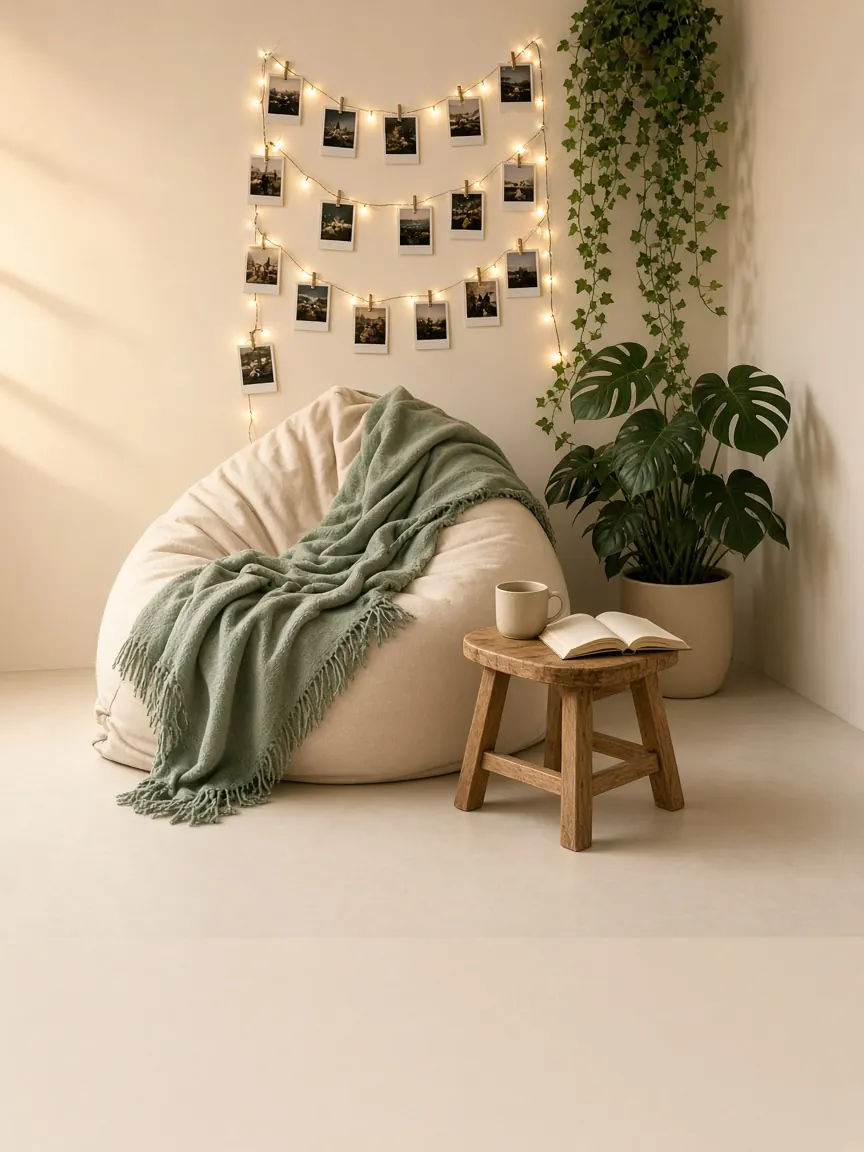
Battery fairy lights with a remote
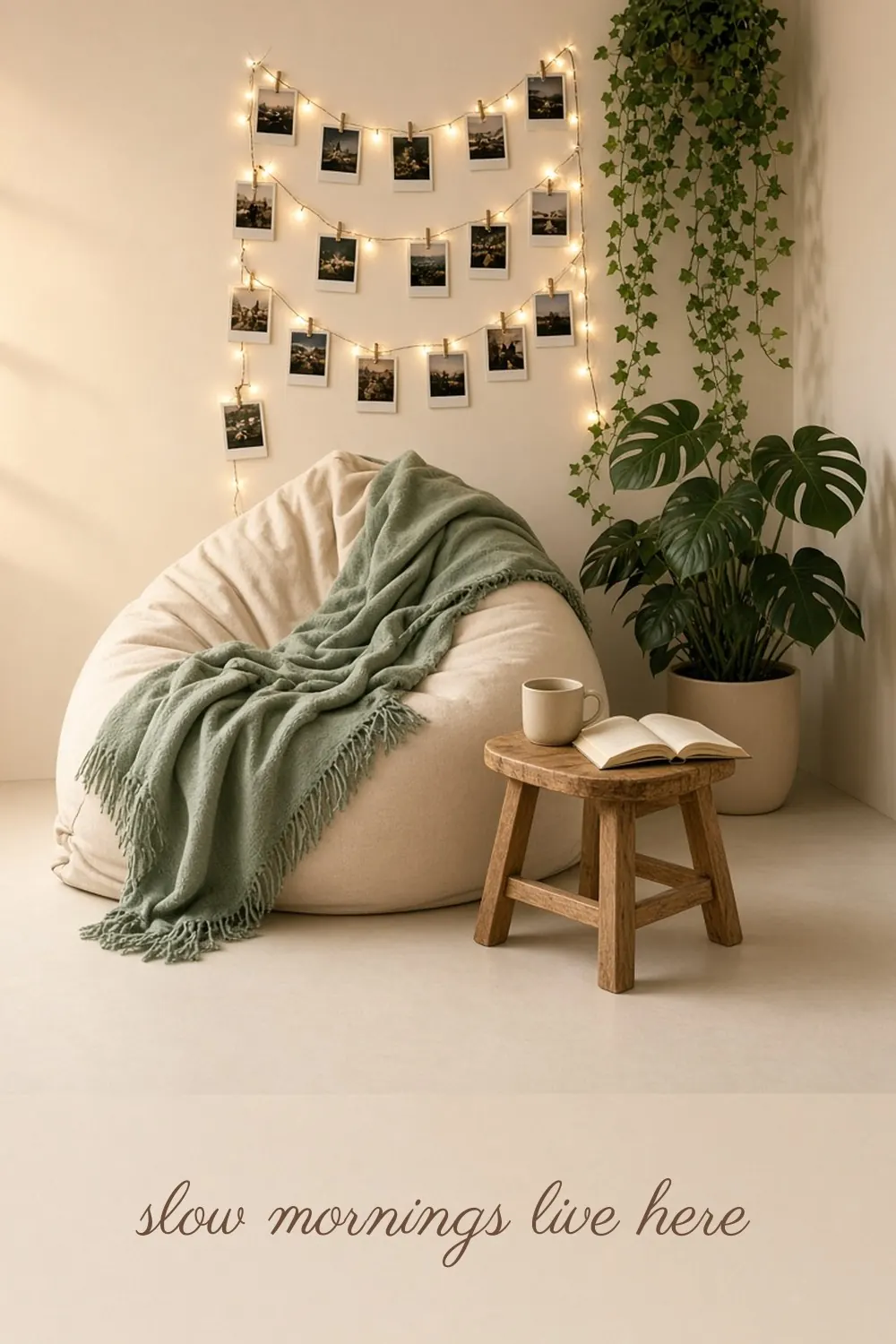
Battery strands go where there is no outlet: a photo wall, a jar on a shelf or a reading corner. A remote and timer mean you are not climbing on the bed each night to switch them off.
Why we picked it: A small room rarely has a free outlet in the right place. Battery strands remove that problem, and the timer is the detail that matters: the nook turns itself on at dusk, so the cozy corner actually gets used instead of saved for special occasions.
Good for: photo walls, shelves and corners far from a socket.
Check price on Amazon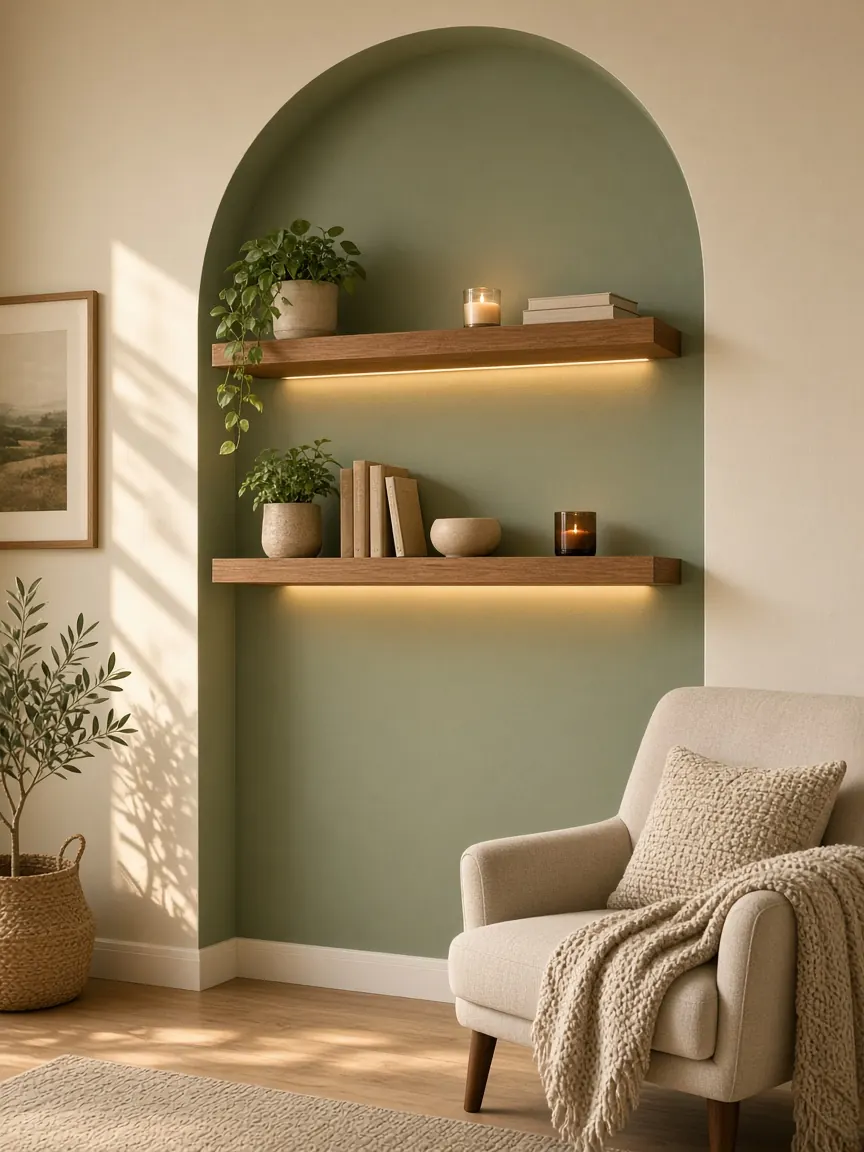
Wall-hanging propagation station
A small wooden frame with glass tubes holds plant cuttings on the wall, so you get real green without floor or shelf space. Pothos and ivy cuttings root happily in water.
Why we picked it: It is the easiest way to bring something living into the nook without giving up a shelf. Cuttings in water need almost no care, you can watch roots grow, and the warm wood frame sits well with fairy lights and natural textures.
Good for: a bare wall next to a window, or between two shelves.
Check price on Amazon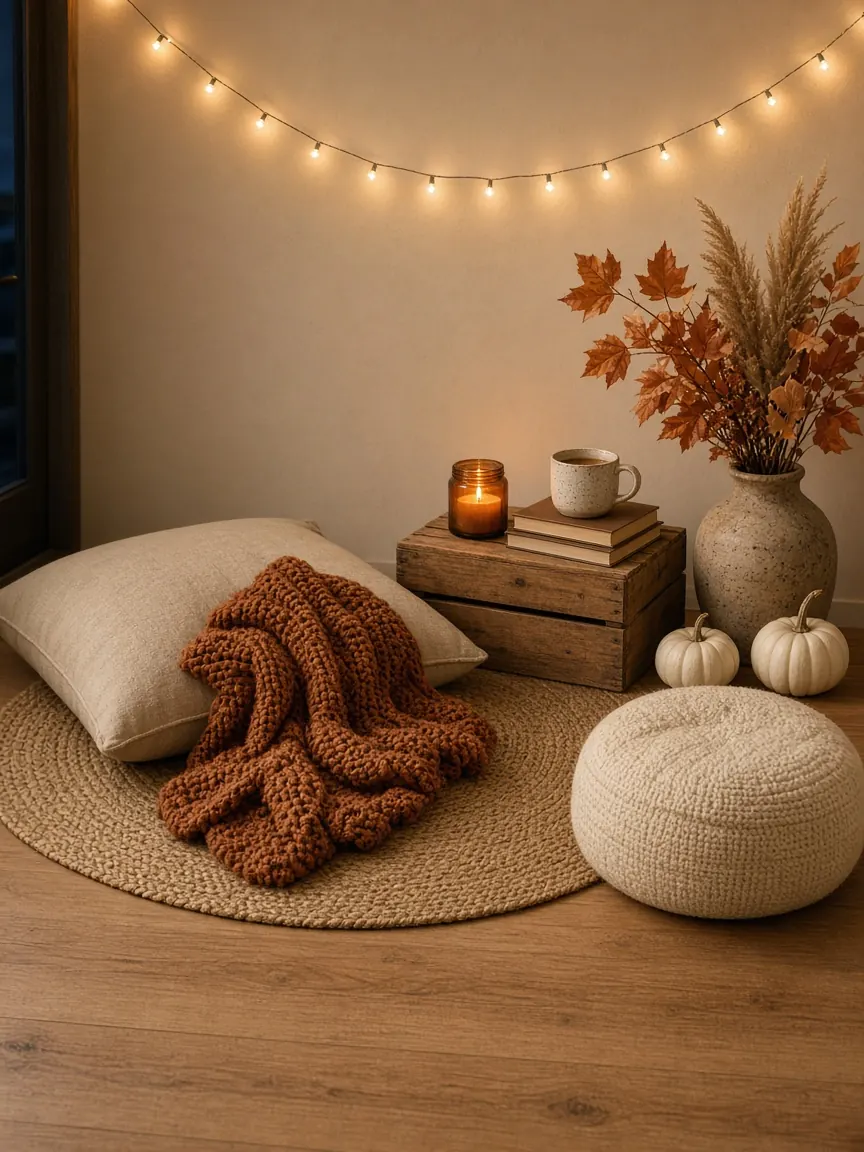
Sherpa fleece throw
Texture is what makes warm light feel touchable. A thick, soft throw over a bed corner, chair or floor cushion finishes the nook and makes it somewhere you actually want to sit.
Why we picked it: Light sets the mood, but texture is what makes people stay. A sherpa throw is soft, washable and folds small when you need the space back, and a cream or oatmeal shade works with almost any bedding or cushion color.
Good for: layering on a bed, armchair or floor seating.
Check price on AmazonAdd-on: mini battery strands for the small spots
A curtain light handles the big wall. For everything else, battery operated fairy lights are easier. Think jars, the mirror frame, a shelf edge, or tucked through your ivy garland.
The Brightown pack has 12 warm-white strands, each 7 feet long on thin bendable wire. Each strand runs on two CR2032 coin batteries, so you don’t need an outlet nearby. That’s handy in a corner where a cord would show. Twelve strands means you can light several spots and keep a few spares.
The honest part: reviews are mixed on battery life and on how long the strands hold up, and a few buyers got a strand that didn’t work. Keep spare CR2032 batteries around and switch strands off when you’re not using them.
Heads up: this section has an affiliate link. If you buy through it, we may earn a small commission at no extra cost to you.
Good for: mason jars, a mirror, a shelf or the ivy itself.
Check price on Amazon (affiliate link)
Set up your nook in one evening
You do not need a whole weekend. Most fairy-light corners go up in about an hour once you have the pieces. Here is the order that saves the most fiddling:
- Clear the corner first. Take everything off the wall and the surfaces you plan to use. Wipe the wall where hooks will go so adhesive sticks properly.
- Plan the outline. Decide where the light starts and stops: along the top of a headboard, around a window frame or in a loose arch over a reading chair. Mark the hook points lightly with a pencil every 30 to 40 cm (12 to 16 in).
- Hang the lights before the ivy. Lights are the structure; ivy is the disguise. Let the strand dip slightly between hooks so it looks relaxed.
- Weave the ivy through. Wrap faux ivy loosely around the light cord, then let a few shorter strands hang down at uneven lengths.
- Add the soft layer. Bring in the throw, a cushion or two and a small lamp or candle-style light at a lower height.
- Check it after dark. Turn off the main light and look from the doorway. Move anything that looks too bright, too tidy or too symmetrical.
Styling tips that make it feel cozy
Pick one glow zone
Light one corner or one wall, not the whole room. A single glowing spot feels intentional; lights on every wall feel busy.
Keep every bulb the same warmth
Mixing warm-white strands with a cool ceiling bulb kills the effect. Switch your main lamp to a warm bulb too, and use the overhead light only for cleaning.
Hide the hardware
Use removable adhesive hooks or clear command clips along the top edge and let the ivy cover the wire. Battery boxes can sit behind a frame, a plant pot or a book.
Layer low and high
Combine one high source (lights along the ceiling line or curtain rod) with one low source (a strand in a jar or along the floor cushion). Two heights add depth to a small room.
Add one natural texture
Rattan, linen, wood or a knitted throw stops the look from feeling plastic. One or two are enough.
6 small-space spots to try this look
You do not need a spare room or a big bedroom. These are the places where a little light and greenery go furthest:
- Behind the bed. A curtain of lights behind a sheer panel acts as a soft headboard. It is the classic small-bedroom version and works even if the bed is pushed against a wall.
- Around a window. Frame the window with ivy and a single strand of lights. During the day it looks green and fresh; at night it hides the dark glass that makes small rooms feel colder.
- A reading corner. One chair or a floor cushion, a throw, a low strand of lights in a jar and a plant. Even a 1 m (3 ft) wide gap between furniture can work.
- Above a desk. Run lights along a shelf edge with ivy hanging from it. It softens a work area that has to share space with your bedroom or living room.
- A doorway or arch. Frame an arch or wardrobe opening with ivy and lights for an instant feature, especially in hallways where there is no room for furniture.
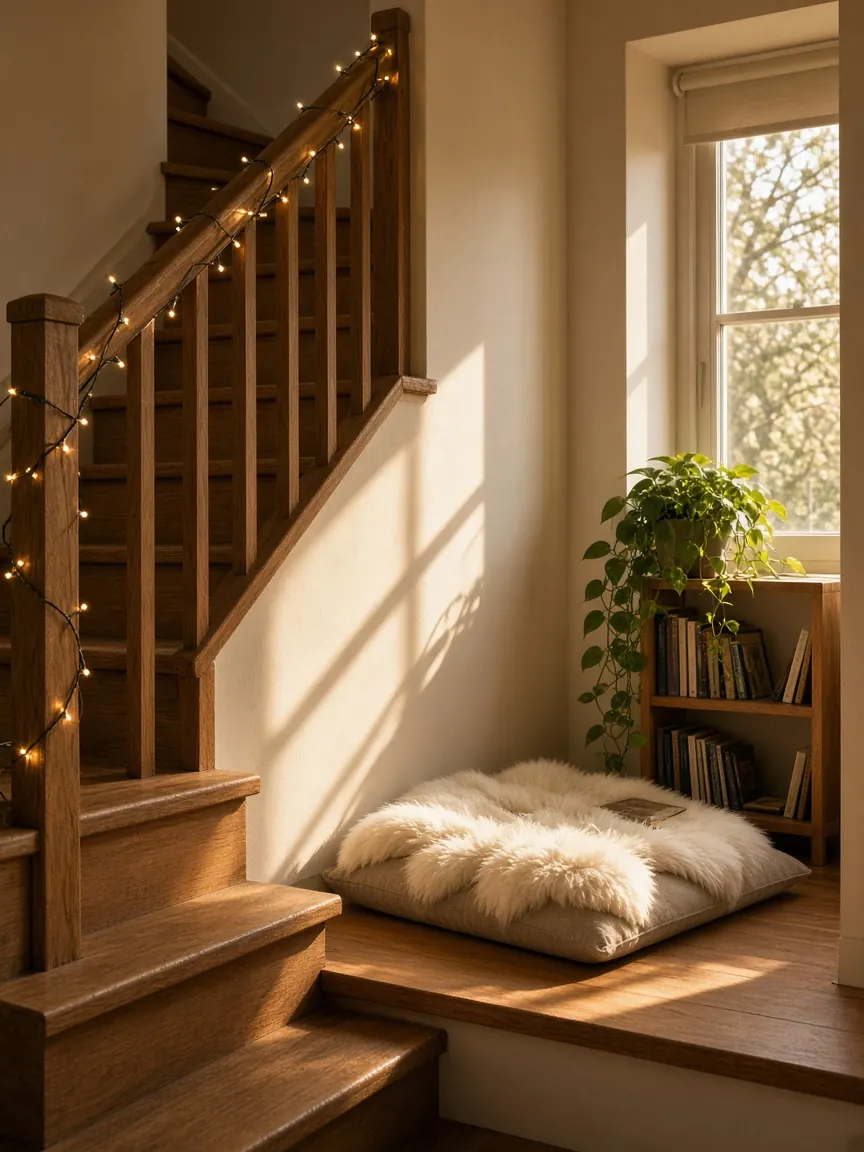
- A loft bed or bunk. Wind lights along the rail and tuck a cushion and throw underneath to turn the space below into a hideaway.
Pick one spot to start. If you love it after a week, add a second, smaller glow elsewhere, but keep them at the same warmth so the room still feels connected.
Decorating for Christmas? See renter-friendly Christmas lights: 12 no-drill ideas for windows, headboards and balconies.
Common mistakes to avoid
- Pulling strands tight. Let lights and ivy dip slightly between hooks. Straight lines look like an office; soft swags look like a home.
- Cool-white bulbs. They read blue in photos and in person. Check the color on the box before you buy.
- Covering every surface. Leave walls and shelves around the nook calm so the glowing corner stands out.
- Forgetting safety. Keep plug-in strands away from bedding heat and use battery or low-voltage LED strands near fabric. Switch them off when you leave the room.

Want to extend the look across a wall? Our gallery wall ideas for small spaces show how to mix frames, lights and ivy. Heading into December? The same fairy lights carry over into our small apartment Christmas decor ideas.
Save to Pinterest
Frequently asked questions
Can I put up fairy lights without damaging walls?
Yes. Removable adhesive hooks and clear cable clips hold light strands and faux ivy well. Press them on clean, dry paint and remove them by pulling the tab straight down, slowly.
Are battery fairy lights bright enough?
For mood lighting, yes. They are meant to glow, not light a room. Use one or two strands in a corner and keep a warm lamp for reading.
Does faux ivy look fake?
Less so when you separate the strands, vary the lengths and mix it with one or two real plants nearby, such as a pothos cutting in a propagation tube.
What color temperature should fairy lights be for a cozy look?
Look for warm white, usually listed around 2200K to 3000K. Anything described as cool white or daylight will look blue and harsh in a small room, especially next to warm wood and cream textiles.
Do I need real plants for this look?
No. Faux ivy carries most of the effect, and it suits rooms with little natural light. If you would like something living, one or two easy cuttings such as pothos in water are enough to make the faux strands look more natural.
How do I hide fairy light wires and battery boxes?
Wrap the wire with ivy, run it along the top edge of furniture or a curtain rod, and tuck battery boxes behind a frame, a book or a plant pot. Clear cable clips are much less visible than white ones on most walls.